

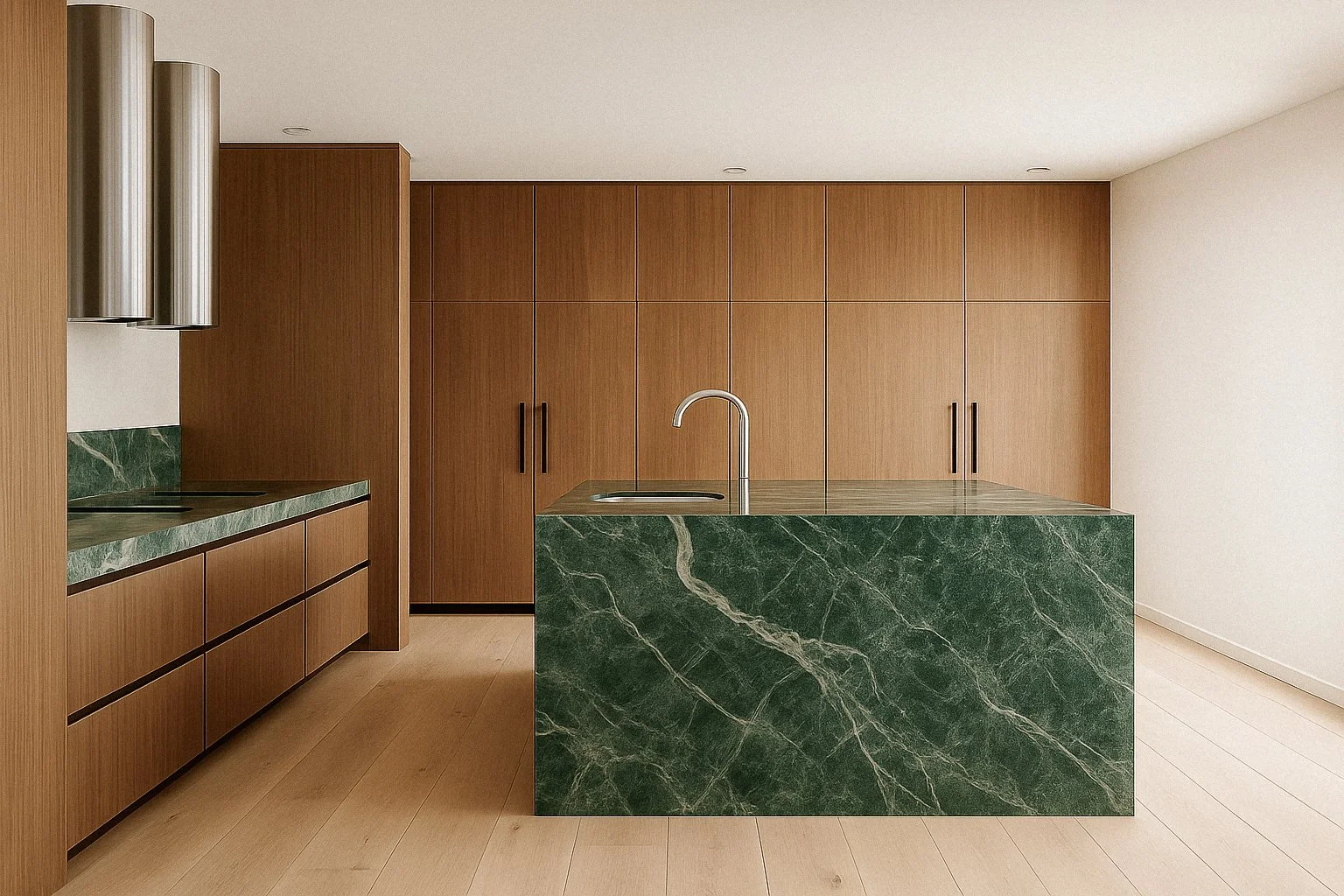
Discover The Benefits of Engineered Timber Flooring
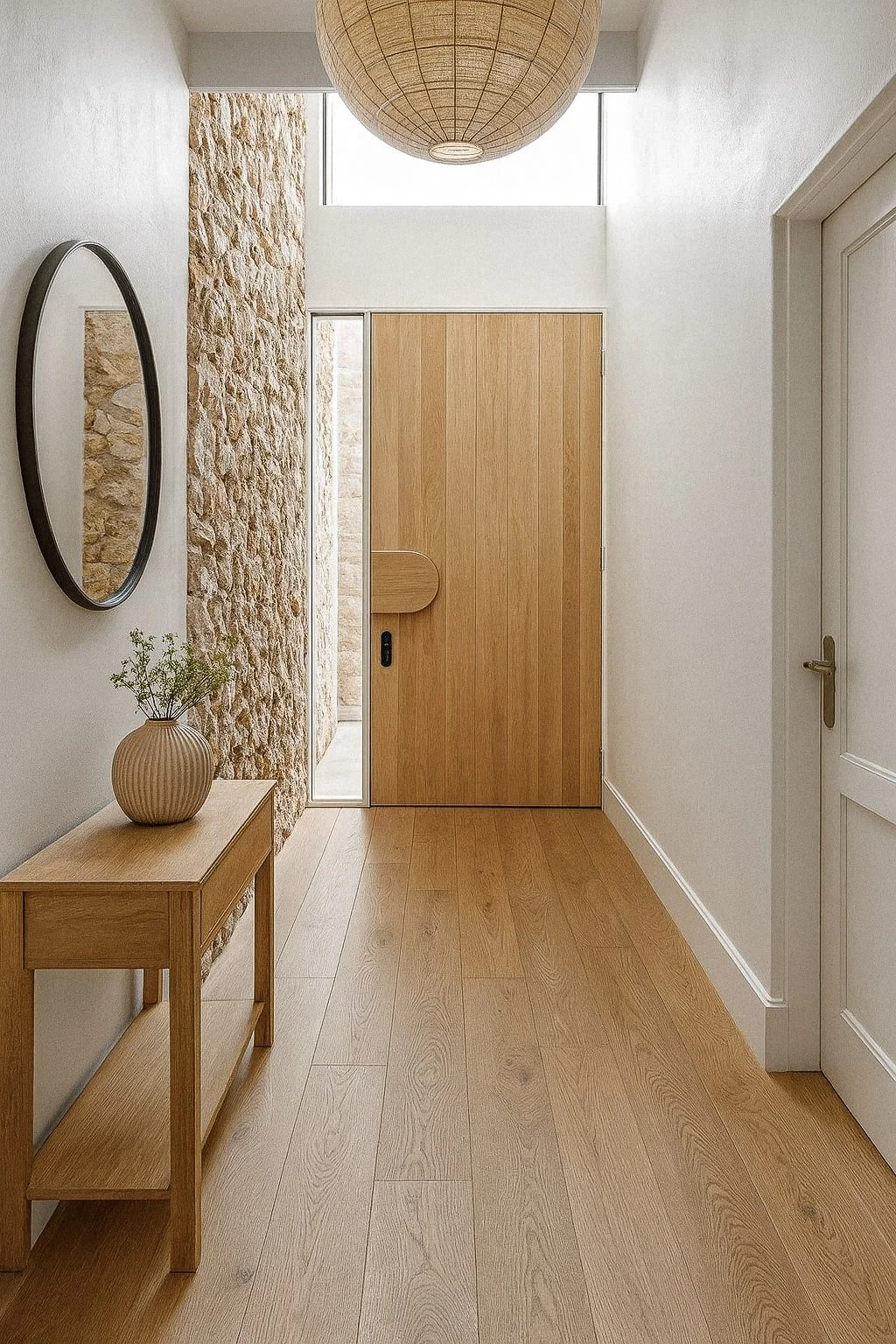
Aesthetics
Engineered timber flooring provides the warmth, beauty, and natural appeal of real wood. It comes in a wide range of finishes and colours, allowing you to achieve the desired look and feel for your space. The rich grain patterns and textures of engineered timber flooring add a touch of elegance and sophistication to any room.
Stability
Engineered timber flooring is constructed using multiple layers of wood. The top layer, known as the wear layer or veneer, is made of real hardwood, while the lower layers consist of high-density fiberboard (HDF) or plywood. This construction makes engineered timber flooring more stable than solid hardwood, reducing the risk of warping, cupping, or expanding and contracting due to changes in temperature and humidity. It is particularly suitable for areas with fluctuating moisture levels, such as kitchens, basements, or areas with radiant heating.
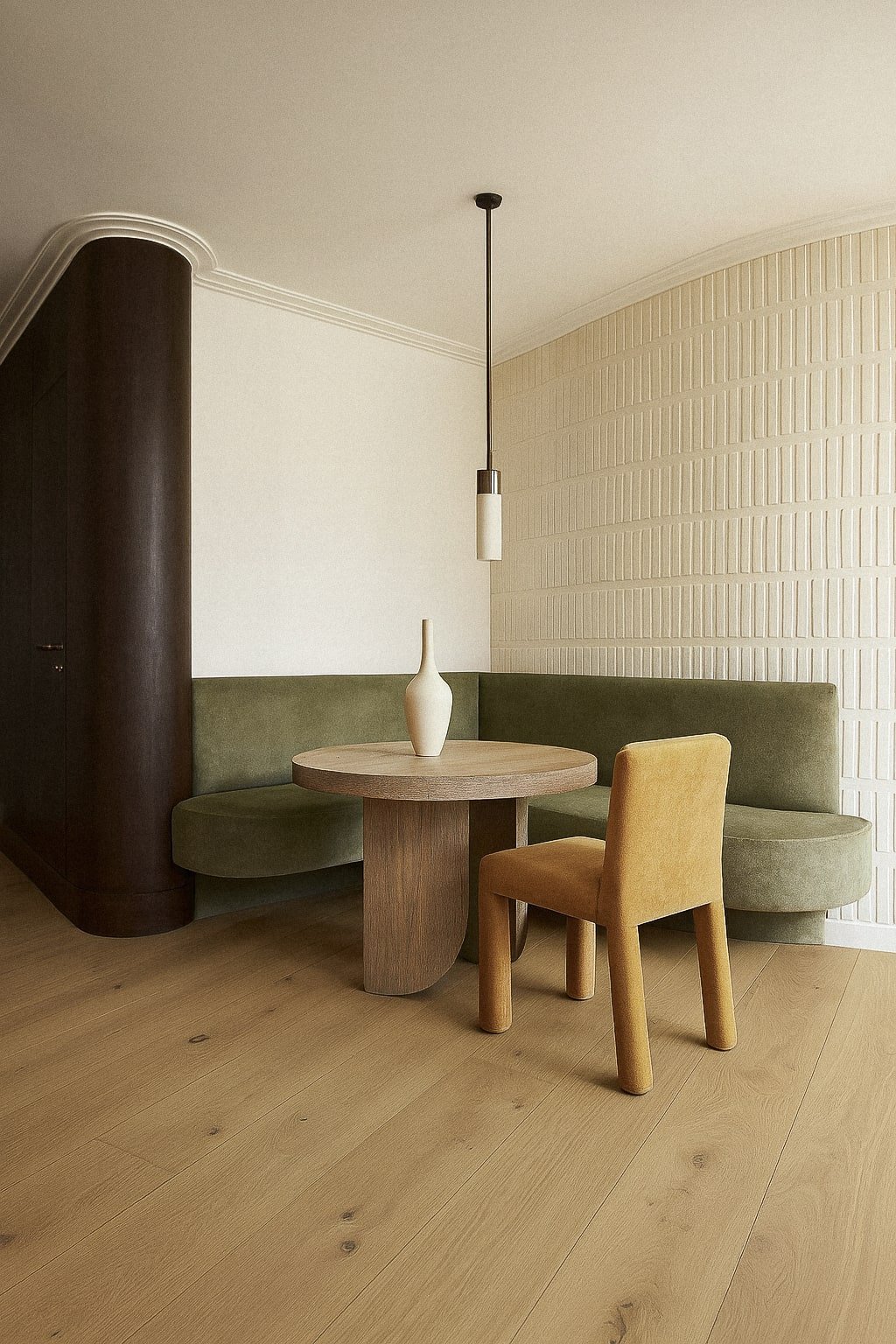
Durability
Engineered timber flooring is designed to withstand heavy foot traffic and everyday wear and tear. The top hardwood layer provides strength and resistance to scratches, dents, and stains. It is often coated with a protective finish, such as aluminium or oxide, which enhances its durability and makes it more resistant to fading from sunlight exposure.
Installation Versatility
Engineered timber flooring is available in various formats, including planks, strips, or tiles, and it can be installed using different methods, such as glue-down, nail-down, or floating installations. This versatility allows for easy installation over different subfloors, including concrete slabs or existing flooring, making it suitable for both residential and commercial applications.
Cost-effective
Compared to solid hardwood flooring, engineered timber flooring tends to be more cost-effective. The use of less expensive wood for the core layers, combined with the ability to produce wider planks from a single tree, reduces the material cost. Additionally, the installation process is often quicker and more straightforward, which can save on labor costs.
Environmental Sustainability
Engineered timber flooring is considered environmentally friendly. The use of less hardwood for the wear layer means fewer trees are harvested compared to solid hardwood flooring. Additionally, many engineered timber floors use recycled or reclaimed wood for their core layers, reducing waste and promoting sustainability.